
How VFX and Post-Production Studios Get Press
Visual effects and post-production studios earn press by telling the story behind the work—how a shot was achieved, the creative and technical problems solved, and the artists who made it happen—and by pitching the right entertainment and trade outlets at the right moment in a project's lifecycle. The work is inherently fascinating; the challenge is that studios are used to staying invisible behind the productions they serve. Here's how post houses and VFX shops step into the spotlight and build the reputation that wins the next job.
Why VFX Studios Struggle to Get Noticed
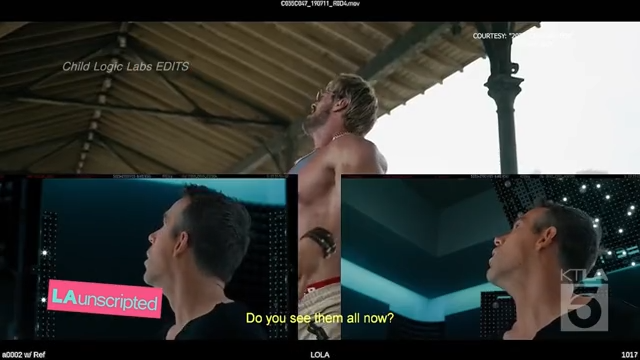
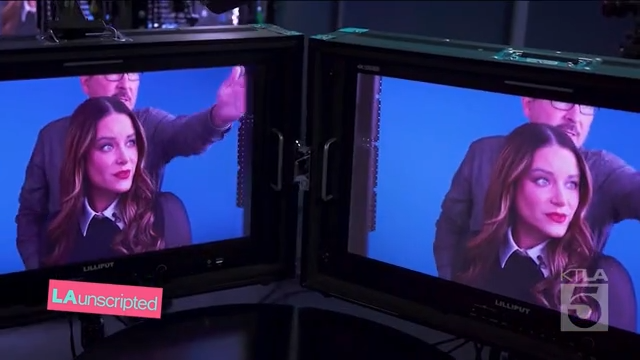
Spelling client, Lola VFX, featured on KTLA
The post-production world has a visibility problem baked into its culture. The best VFX is invisible by design—audiences aren't supposed to notice it—and studios are accustomed to letting the production, the director, and the talent take the credit. Many are protected by NDAs and a justified sense of discretion. The result is that extraordinary creative and technical achievements happen in near-anonymity, and studios that could be building powerful reputations stay unknown to the producers, directors, and decision-makers who hire them. PR is how you fix that without compromising professionalism.
The Stories Hiding in Your Work
Every project is a potential story if you know where to look. The "how'd they do that?" angle is endlessly compelling: the impossible shot, the invisible effect, the digital environment that looked entirely real, the de-aging or creature work that pushed the craft forward. Trade and entertainment press—and audiences—love a behind-the-scenes look at how the magic was made. Beyond individual shots, there are stories in your tools and techniques, your pipeline innovations, your artists' careers, your studio's growth, and the trends you're seeing across projects. The raw material is already in your dailies; PR turns it into coverage.
Timing Is Everything: Pitch Around Release Windows
VFX press is tightly tied to the calendar of the projects you work on. The window around a film or series release—and during awards season—is when reporters, audiences, and the industry are most interested in how the work was done. A studio that plans its PR around these moments, with permission from the production, can ride the wave of attention that a major release generates. Coordinating with the production's own publicity (and respecting what you're cleared to discuss) lets you participate in the press cycle rather than miss it. Festival premieres, NAB and industry events, and awards campaigns are similar high-attention windows.
Target the Right Outlets
Not all coverage serves your goals equally. The trade publications that cover visual effects, post-production, and the broader entertainment industry reach the exact audience that hires studios—producers, supervisors, and studio executives. Outlets focused on the craft and business of filmmaking carry more weight with your buyers than general coverage does. A focused program builds relationships with the reporters and editors at these outlets, so your studio becomes a known, credible source they turn to for the "how it was made" story.
Position Your Artists and Leaders as Experts
VFX is a field that respects mastery, and your supervisors and artists are your most credible spokespeople. Bylined articles, conference talks, podcast appearances, and expert commentary on industry trends position your people—and by extension your studio—as leaders in the craft. When a producer researching where to take their next project repeatedly encounters your team's expertise, your studio moves from unknown vendor to obvious choice. This thought leadership also feeds the search results and AI recommendations that decision-makers increasingly rely on.
Respect the Relationships That Make It Possible
Post-production PR is a delicate dance because your visibility depends on your clients' productions. The studios that do this well always coordinate with the production, honor NDAs and approval processes, and frame their PR in a way that celebrates the collaboration rather than claiming sole credit. Handled professionally, press coverage reflects well on everyone involved—and producers come to see a PR-savvy studio as a partner who adds value, not a risk. Discretion and good press are not in conflict when the program is run with judgment.
How Press Wins the Next Job
In a relationship-driven, reputation-based industry, visibility translates directly into business. When your studio is known for a particular kind of excellence—seen in the trades, respected for its craft, top-of-mind with the people who award projects—you get on more shortlists and field more inbound interest. Press won't replace the quality of your work, but it ensures the right people know how good that work is, which is exactly what wins the next bid.
The Bottom Line
VFX and post-production studios sit on a wealth of compelling stories and rarely tell them. By revealing the craft behind the work, timing pitches to release windows, targeting the outlets your buyers read, and elevating your artists as experts—all while respecting the productions you serve—your studio can build the kind of reputation that keeps the projects coming.
Spelling Communications has deep experience in entertainment and post-production PR, helping VFX and creative studios earn the recognition their work deserves. Based in Los Angeles and Philadelphia.
